Ben Bradley
Writer & Product Champion
(630) 430-7267


My name is Ben Bradley.
I am a writer, a product champion, a company founder, and a wearer of many hats.
We represent amazing companies.
With a startup background, and great supporting team, we have a lean mindset for rapid go-to-market programs.
Want to connect?
Current projects

Better CRM outcomes

Section 508 compliant eLearning

Embedded engineering and design for manufacturability

Google Non-Profit Grant

Reshoring

THE MQL IS DEAD
Recent works
MEDDICC and HubSpot?
How to Build a MEDDICC Scoring Module for HubSpot Understanding the qualifications of a buyer or account is crucial for closing deals efficiently. To streamline this process, we integrated the MEDDICC sales methodology into HubSpot, creating a scoring module that...

The Time is Right for Building a Digital Workforce with AI Automation
A brief history of workforce automation The desire to automate repetitive tasks has existed since the early days of the Industrial Revolution. Mechanized systems, such as looms and weaving machines, aimed to replace manual labor with mechanical processes, beginning a...

AI Index Report 2024: Key Insights and Trends
The 2024 AI Index Report, compiled by the Human-Centered Artificial Intelligence (HAI) program at Stanford University, offers a detailed analysis of the current state and future trends of artificial intelligence (AI). This year's report covers a wide range of topics,...
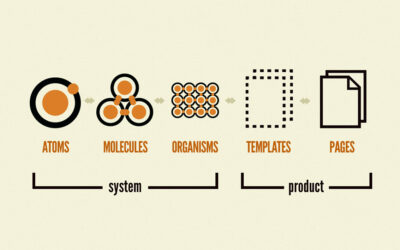
Divi and Atomic Design Accelerates Website Redesign Projects
How can you use Divi and Atomic Design principles to build websites faster? Integrating Atomic Design principles with Divi for WordPress can significantly accelerate web (re)design projects by promoting reusability, consistency, and scalability. Here’s how you can...

Remove risk from your next web design project with data-driven redesign
& Conversion Rate Optimization Data-Driven Web (Re)Design & Conversion Optimization Removes risk from your next website project with data-driven creative (re)design and conversion optimization. Instead of an expensive website redesign, make small iterative...

Notes About Generative AI Search & the Cookieless Present
In recent years, two significant content marketing trends have emerged: generative AI search and the shift away from third-party cookies. In this article, we'll explore how these two trends are revolutionizing the search engine capabilities and e-commerce landscape,...
Avoiding the Most Common Quality System Challenges
All too commonly, pharmaceutical manufacturers face quality systems challenges that cost time, money, and regulatory scrutiny. Learn more about the issues we most frequently see as we work with pharmaceutical innovators, generics manufacturers, and CDMOs worldwide....
ADA Compliance in eLearning – States Face Accessibility Fines
Local governments are increasingly adopting eLearning platforms to provide training and education to employees and the public. However, many are facing challenges in ensuring these platforms comply with the Americans with Disabilities Act (ADA), leading to potential...

Finding your second whale – Marketing the professional services firm
How are you different from all the other firms out there? It seems every week, we talk to just another professional services firm trying to kick-start their marketing and sales process. We sit down with the founder and ask, "How are you different from all the other...
Using Atomic Design, Divi for WordPress, and Canva: Designing for Speed and Scale
The demand for responsive and scalable design solutions has never been greater. Gone are the days of meticulously crafting pixel-perfect pages for every device - it is impossible. By leveraging Atomic Design principles with tools like Divi for WordPress and Canva,...
Accelerate web design projects by combining Atomic Design principles with DIVI for WordPress
Combining Atomic Design principles with Divi for WordPress can significantly accelerate web design projects by promoting reusability, consistency, and scalability. Here’s how you can apply these principles effectively: Establish a Design System: Atoms (Basic...

How the USDA is Creating Accessible eLearning at Scale
A SECTION 508 ELEARNING SUCCESS STORY The most recent GSA report highlights a need for more success stories regarding Section 508 compliance in the federal government. “Overall compliance to Section 508 is well below expectations given the federal government...

Designing a Gene Therapy CMC Architecture for the Full Product Lifecycle
Process Development and Contract Services Partner Decision-Making While the gene therapy sector is growing rapidly and making significant strides toward fulfilling its promise of providing highly effective, often curative therapeutics for an expanding number of...

Digital Operations Growth Strategy
Unleash the Power of Digital Operations: Transformation and growth without adding headcount In today's fast-paced and rapidly evolving business landscape, organizations increasingly recognize the need to embrace digital operations. This concept revolves around...

Digital Transformation in Manufacturing
The manufacturing sector is currently undergoing significant transformations. As the global economy recovers from the impact of the COVID-19 pandemic, many countries are witnessing a resurgence in manufacturing activities, leading to a surge in investment in this...

How is generative AI being used in manufacturing?
Artificial Intelligence (AI) has become a driving force of manufacturing innovation. Generative AI, a type of AI that focuses on content creation and enhancement, is particularly important in shaping the future of manufacturing. By analyzing diverse data streams,...

What is the data cloud in manufacturing?
The Challenge Traditional manufacturing data management can be a challenging endeavor for technical decision-makers. With the increasing volume and complexity of data generated by machines, sensors, and other systems, it can be difficult to collect, store, and analyze...

The Power of Industrial AI – A Manufacturer’s Guide to Artificial Intelligence
INTRODUCTION If you haven’t already read our white paper, How Quiet Innovation Leads to Game-Changing Manufacturing Advancements, it’s suggested you do so before diving into this article because before you can explore the world of Industrial AI, your organization must...

Section 508 Compliance News – August 2023
Section 508 Compliance News - August 2023 Ensuring accessibility and usability for all individuals, including those with disabilities, is a fundamental commitment. The Revised 508 Standards set clear guidelines and requirements for information and communication...

The Use of CDPs in D2C Manufacturing
In recent years, the rise of direct-to-consumer (D2C) manufacturing companies has disrupted traditional supply chain models by connecting directly with customers. They no longer rely on intermediaries to distribute their products. They sell their products direct to...
Our “no stupid deals” policy
Woo hoo! You reap what you sow. A client we once walked away from just hired us. She appreciated our no-stupid-deals policy. Doing the right thing sometimes hurts. No one wants to say "no" to a new deal. No one wants to walk away from revenue. But sometimes, you...